


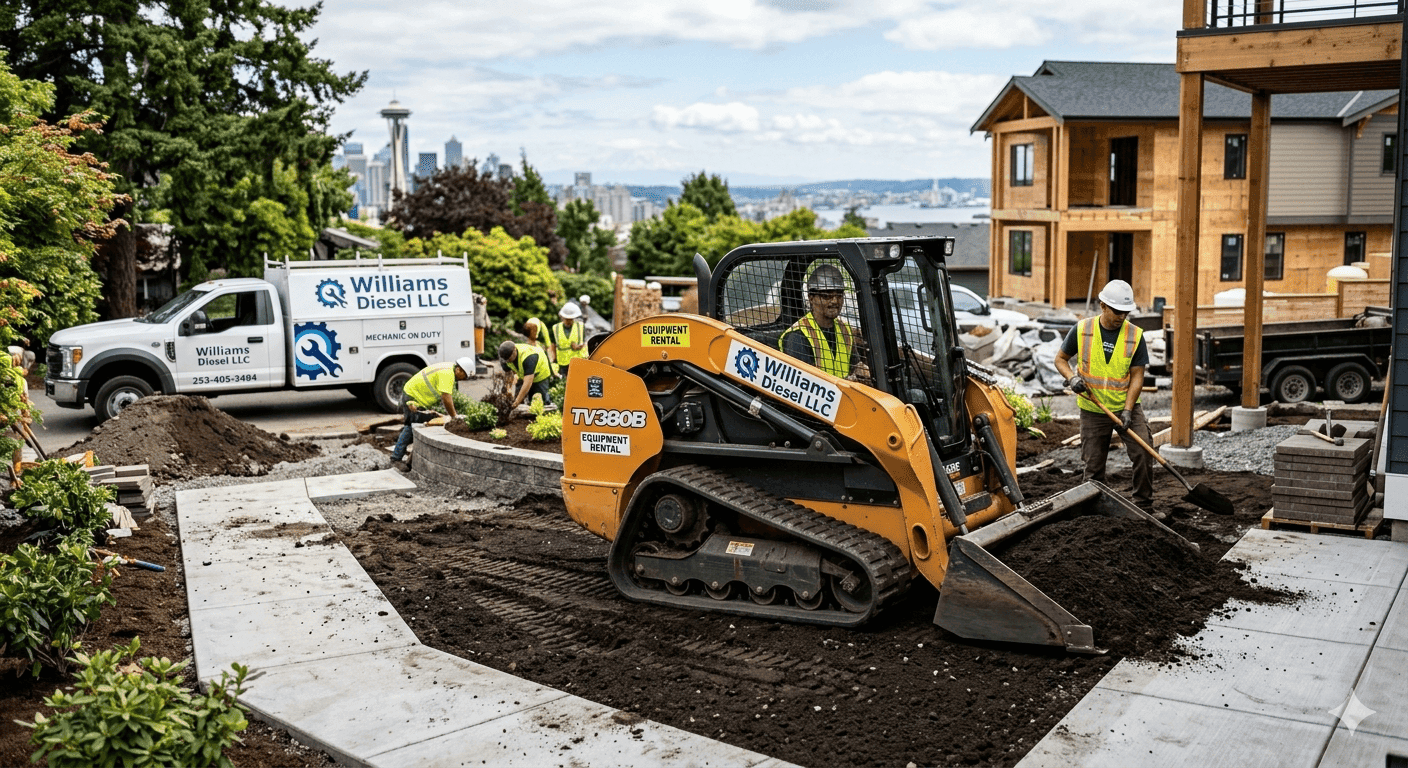
Summary
- Compact loader technology is the key to balancing power and maneuverability in modern construction.
- Understanding the differences between a track loader and wheel-based systems ensures the right tool for your specific terrain.
- Renting specialized equipment allows for massive cost savings on minor projects compared to the high overhead of ownership.
- Proper attachment selection can turn a single machine into a multi-functional powerhouse for landscaping, utility, and demolition.
- Local expertise from a provider like Williams Diesel LLC ensures you receive mechanic-maintained machinery backed by professional support.
In the fast-paced world of construction and property development, the mantra has always been “bigger is better.” However, as urban density increases and project timelines tighten, the industry is seeing a massive shift toward specialized, agile machinery. For many contractors and homeowners, the secret to maintaining a high-profit margin on minor projects isn’t found in a massive bulldozer, but in the tactical deployment of a compact loader.
These machines offer a unique blend of hydraulic power and a small physical footprint, making them indispensable for work where space is at a premium. When sourcing a compact loader in Seattle, professionals are increasingly looking for a balance of mechanical reliability and local expertise to navigate the unique challenges of Pacific Northwest job sites. Williams Diesel LLC has stepped into this space as a premier partner, providing high-quality machinery that ensures your project remains productive from start to finish.
The Evolution of the Compact Machine
The history of small-scale earthmoving has seen incredible technological leaps over the last decade. What used to require a large crew with shovels and wheelbarrows can now be accomplished in a fraction of the time by a single operator. The compact loader represents the pinnacle of this evolution. Unlike its full-sized counterparts, this machine is designed to move through narrow gates, work under low overhangs, and operate on sensitive surfaces without causing the extensive ground damage typical of heavier iron.
The versatility of this equipment class is largely due to its frame design. Whether you are looking at a compact skid loader or a unit with specialized tracks, the core goal remains the same: maximizing the lifting and pushing capacity within a frame that can fit on a standard equipment trailer. This mobility is a game-changer for minor projects, as it eliminates the need for expensive, specialized hauling permits and heavy-duty transport vehicles.
Track vs. Wheel: Choosing the Right Foundation
One of the most common questions project managers face is whether to opt for a traditional wheeled unit or a track loader. The decision isn’t just about aesthetics; it’s about the science of ground pressure and traction.
The Case for Tracks
In the often-damp environment of the Pacific Northwest, tracks offer a distinct advantage. By distributing the machine’s weight over a much larger surface area, a tracked machine can “float” over soft mud or sandy soil where wheels would simply sink. This lower ground pressure also makes it the ideal choice for established residential areas where preserving the integrity of a lawn or a paved driveway is a priority.
The Agility of Wheels
On the other hand, wheeled units—often referred to as a compact front loader in certain configurations—excel on hard surfaces like asphalt or concrete. They generally offer higher travel speeds and better maneuverability on solid ground. For minor projects involving warehouse work or street-side utility repairs, the speed and “turn-on-a-dime” capability of a wheeled system are hard to beat.
Maximizing Project ROI with Small Articulating Loaders
For those working in extremely tight quarters, the small articulating loader has emerged as a specialized hero. Unlike skid-steer designs that “skid” their tires to turn (which can be hard on surfaces), articulating loaders have a hinge in the middle. This allows the machine to bend, following the path of the front wheels.
This design is particularly effective for landscaping projects where you need to navigate around existing trees, garden walls, or architectural features. By reducing the “scuffing” of the ground during turns, these machines further minimize the restoration work required after the main project is complete. Williams Diesel LLC understands that for many clients, the “finish” of the job is just as important as the heavy lifting, which is why we curate our fleet to include machines that respect the job site environment.
Versatility Through Attachments: The Multi-Tool of the Job Site
The true genius of a compact loader isn’t just in its ability to move dirt; it’s in its role as a universal power head. With a universal quick-attach system, a single machine can be reconfigured in seconds to handle dozens of different tasks.
- Augers: Perfect for fencing, deck posts, or planting trees.
- Grapples: Indispensable for site cleanup, moving logs, or handling demolition debris.
- Pallet Forks: Turns your loader into a rough-terrain forklift for moving materials on-site.
- Trenchers: Ideal for laying irrigation or utility lines with minimal surface disruption.
- Brush Cutters: Essential for land clearing and managing overgrown properties.
By utilizing these attachments, a contractor can complete five different phases of a project with one rental unit. This consolidation of equipment not only saves money on rental fees but also simplifies the logistics of the job site. When you are looking for a compact loader in Washington, having access to a full suite of work tools is what separates a standard rental from a professional-grade solution.
Why Renting is the Strategic Choice for Minor Projects
Many businesses debate whether to buy or rent their equipment. While ownership has its place for firms using machines 2,000 hours a year, renting is often the smarter strategic move for minor or seasonal projects.
Access to Late-Model Technology
When you rent, you aren’t stuck with a ten-year-old machine that requires constant repairs. Rental fleets, especially those managed by diesel specialists like Williams Diesel LLC, consist of modern, high-efficiency units. These machines feature the latest in ergonomic controls, pressurized cabs for operator comfort, and Tier 4 engines that provide more power while burning less fuel.
Zero Maintenance Overhead
Owning equipment means managing a shop, hiring mechanics, and stocking parts. When you rent, that entire burden is shifted to the provider. You get a machine that has been professionally inspected, greased, and serviced, ready to work the moment it arrives. If a hose blows or a sensor fails, a reputable provider handles the repair, ensuring your productivity isn’t derailed by mechanical downtime.
The Local Advantage: Support and Reliability
Construction is a local business, and your equipment provider should be part of that local ecosystem. There is a massive difference between renting from a national “big box” store and a local specialist. A local provider understands the specific soil conditions, the weather patterns, and the logistical hurdles of the region.
When you search for a compact track loader near me, you are looking for more than just a piece of iron; you are looking for a support system. A local partner can provide rapid on-site service, tailored advice on machine sizing, and a level of accountability that massive corporations simply can’t match. Williams Diesel LLC prides itself on being a mechanic-led organization. We don’t just rent machines; we know how they work from the inside out. This deep technical knowledge means our equipment is maintained to a higher standard, giving you peace of mind when you’re on a tight deadline.
Safety and Training in Compact Operations
While compact machinery is smaller than a 40-ton excavator, it still requires a high level of respect and proper training. Productivity is always secondary to safety. Modern loaders come equipped with a variety of safety features, including:
- ROPS/FOPS Cabs: Rollover and Falling Object Protective Structures to keep the operator safe in unforeseen circumstances.
- Safety Interlocks: Systems that prevent the loader arms or drive system from moving unless the operator is safely seated with the seatbelt buckled.
- Superior Visibility: Large glass areas and rearview cameras to ensure the operator is aware of their surroundings at all times.
Choosing a provider that prioritizes these features is essential. A professional team will walk you through the controls and safety protocols of the machine before you begin, ensuring that your “minor project” doesn’t turn into a major liability.
FAQs Section
Q: Can a compact loader be used on a residential lawn without destroying it?
A: Yes, particularly if you choose a track loader or a small articulating loader. These machines are designed for low ground pressure. Using plywood or specialized “ground mats” along the travel path can further ensure that the turf remains pristine during your project.
Q: How do I know which size loader I need for my project?
A: This depends on two factors: the weight of the material you need to lift and the width of the narrowest point on your job site. Our team at Williams Diesel LLC can help you calculate the “rated operating capacity” (ROC) required to ensure you have enough power without renting a machine that is too large for your space.
Q: Does Williams Diesel LLC provide delivery and pickup?
A: Absolutely. We understand that logistics can be a headache for contractors and homeowners alike. We provide prompt delivery and pickup across Seattle and the surrounding Washington areas, ensuring your machine is on-site and ready when your crew arrives.
Q: What happens if the machine has a mechanical issue during my rental?
A: This is where our diesel repair background shines. We provide rapid response for any mechanical issues. Because we are experts in diesel maintenance, we can often troubleshoot and fix minor issues on-site immediately, or we will provide a replacement unit to ensure your productivity doesn’t suffer.
Q: Are attachments included in the rental price?
A: Generally, a standard bucket is included. Specialized attachments like augers, forks, or brush cutters are available as add-ons. This allows you to pay only for the tools you actually need for your specific task.
Conclusion: Elevating Your Job Site Standards
The modern construction landscape demands efficiency, precision, and cost-effectiveness. By integrating a compact loader into your project plan, you empower your team to work faster and smarter, especially in the challenging urban environments found throughout the Pacific Northwest. The ability to swap attachments and navigate tight spaces makes these machines the ultimate “force multiplier” for any crew.
Success ultimately depends on the quality of the tools you use and the reliability of the people who stand behind them. As you look for a compact loader in Seattle, remember that the best value isn’t just the lowest price, but the highest level of uptime and support. Williams Diesel LLC remains committed to providing the region with affordable, professionally maintained equipment that helps you cross the finish line on time and under budget. Whether you are clearing a lot, installing utilities, or creating a landscape masterpiece, our team is ready to provide the mechanical advantage you need.


Comments are closed